
Taiwan / OEM manufacturing
Manufacturing
capabilities.
Plastic-focused expertise. Metal machining and assembly integration. A connected approach to manufacturing your mechanical and electronic products.
Discuss your project01 / Molded Plastic Components
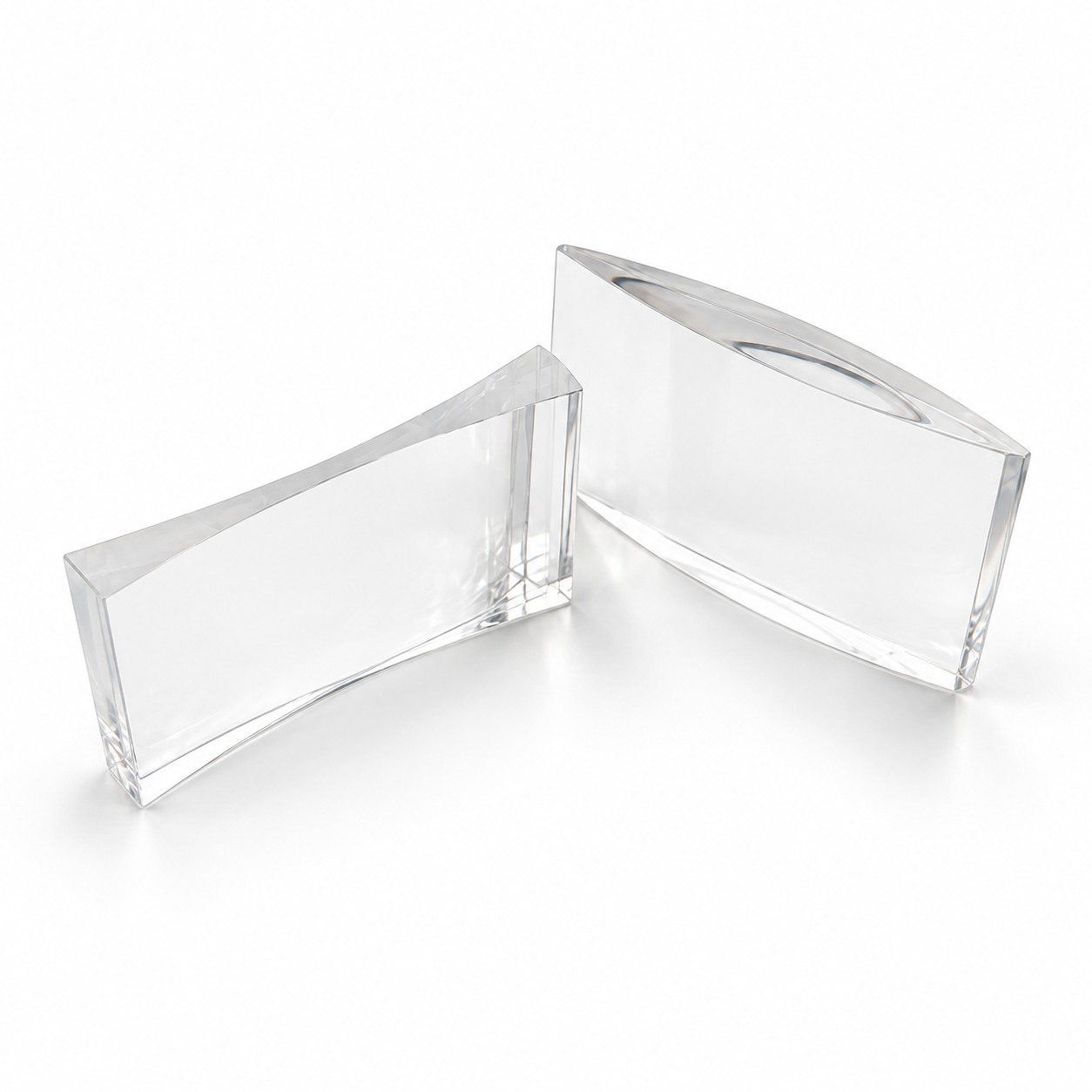
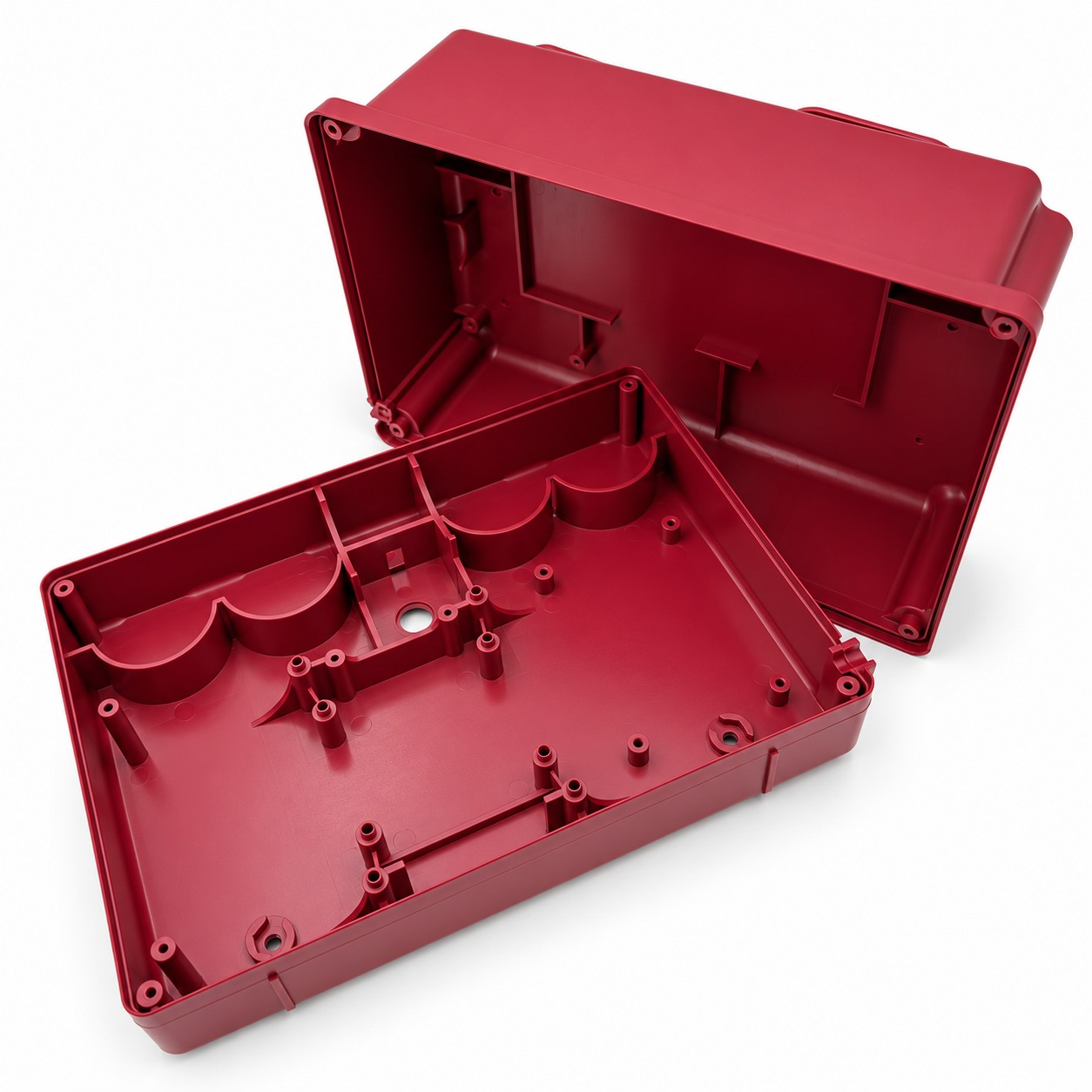
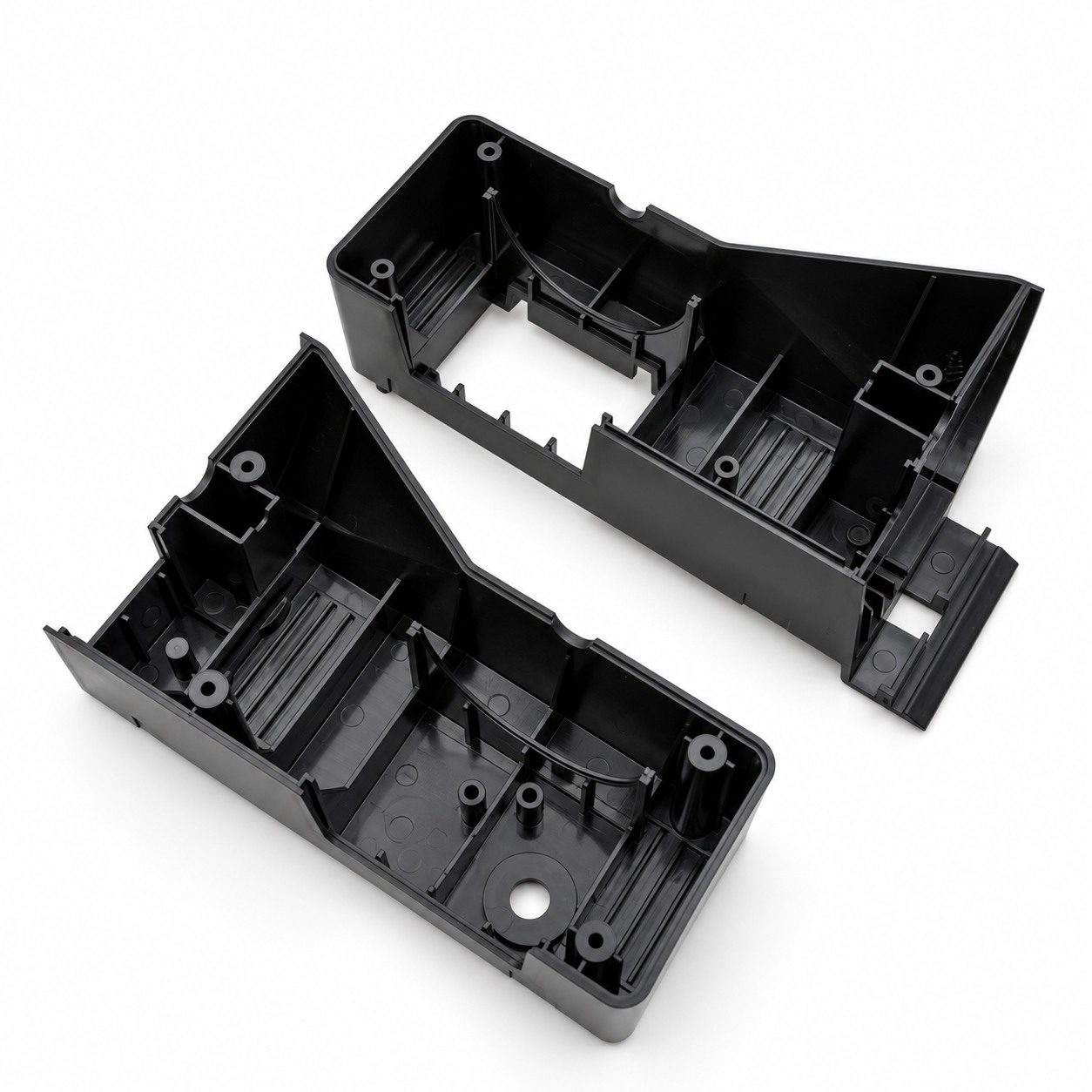
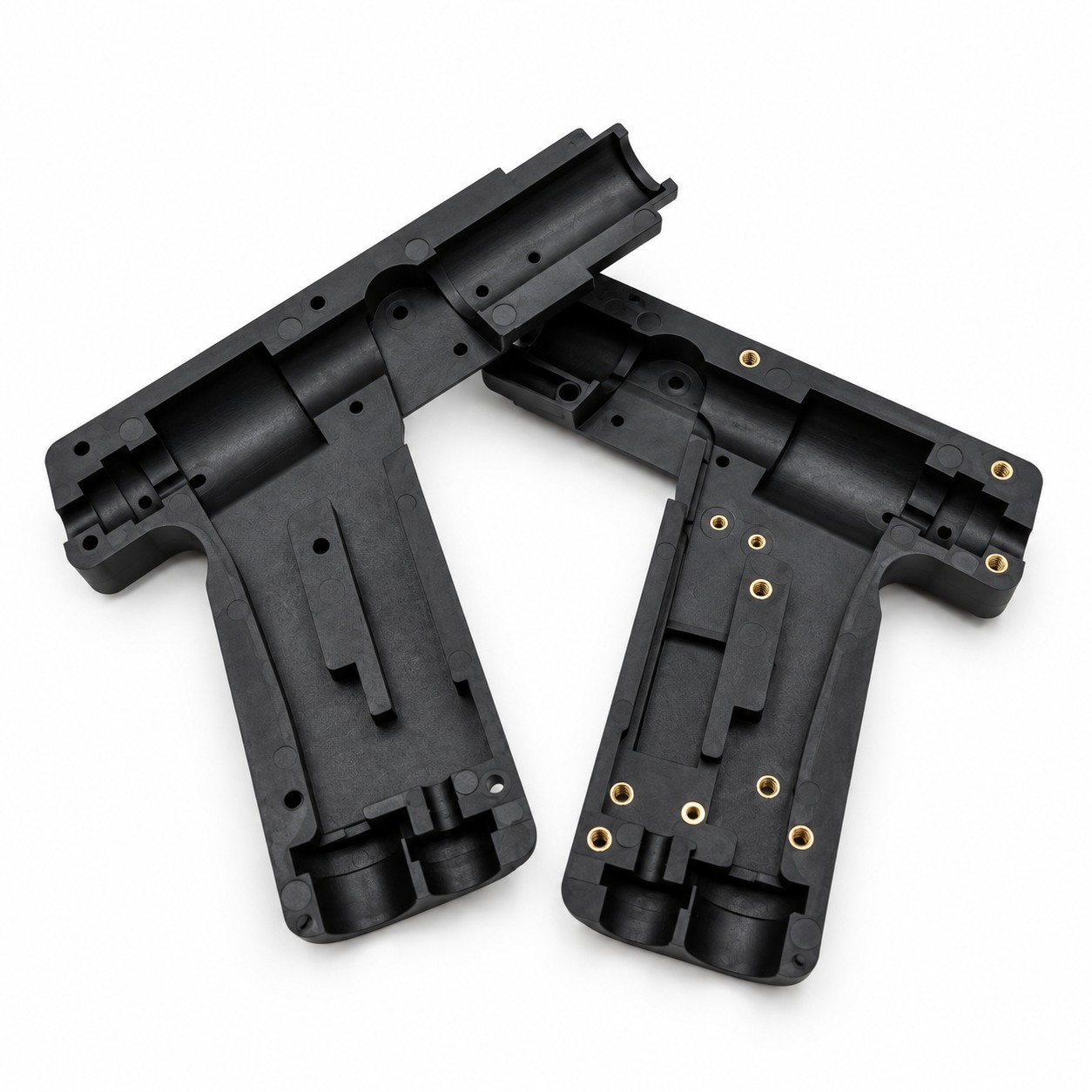
Plastic injection molding
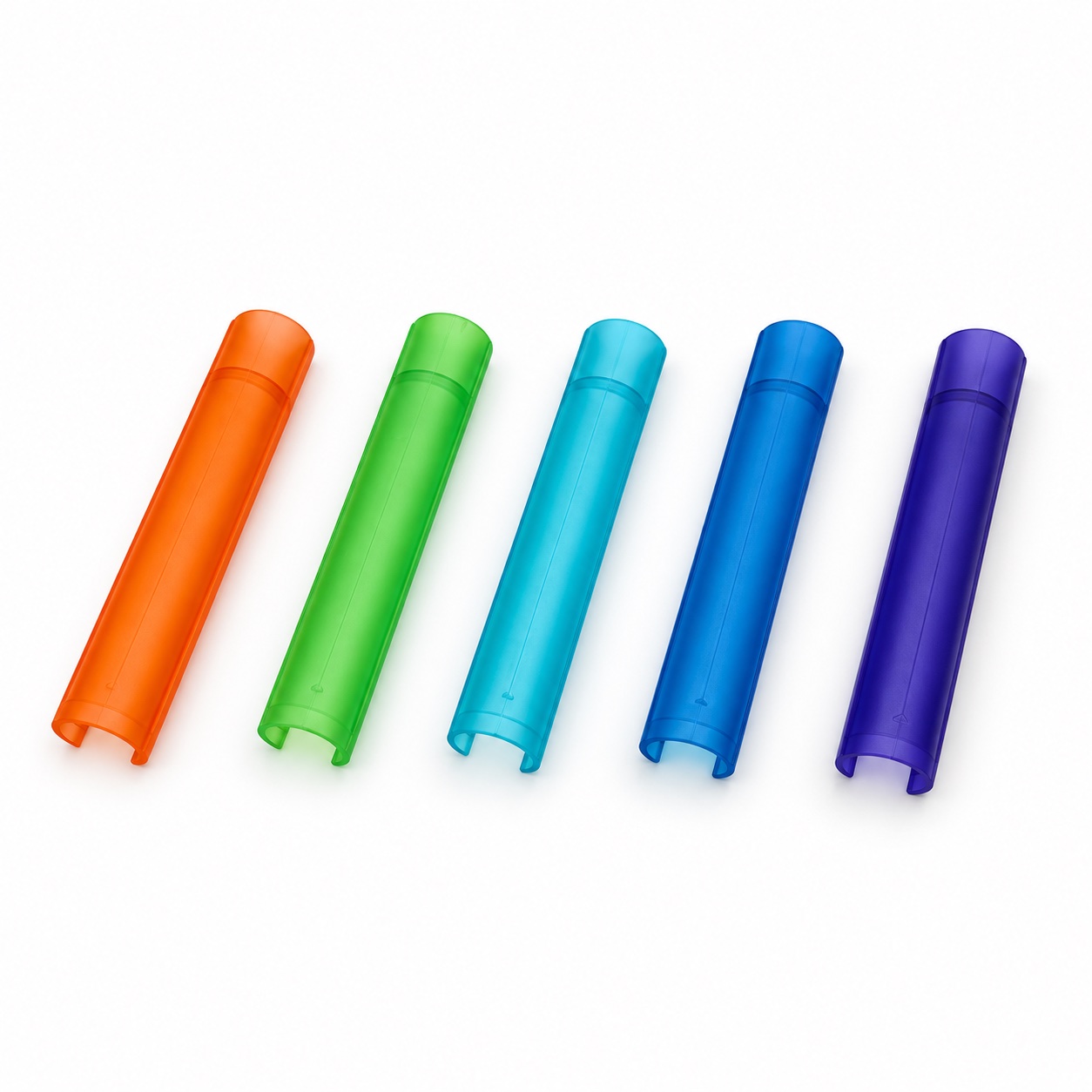
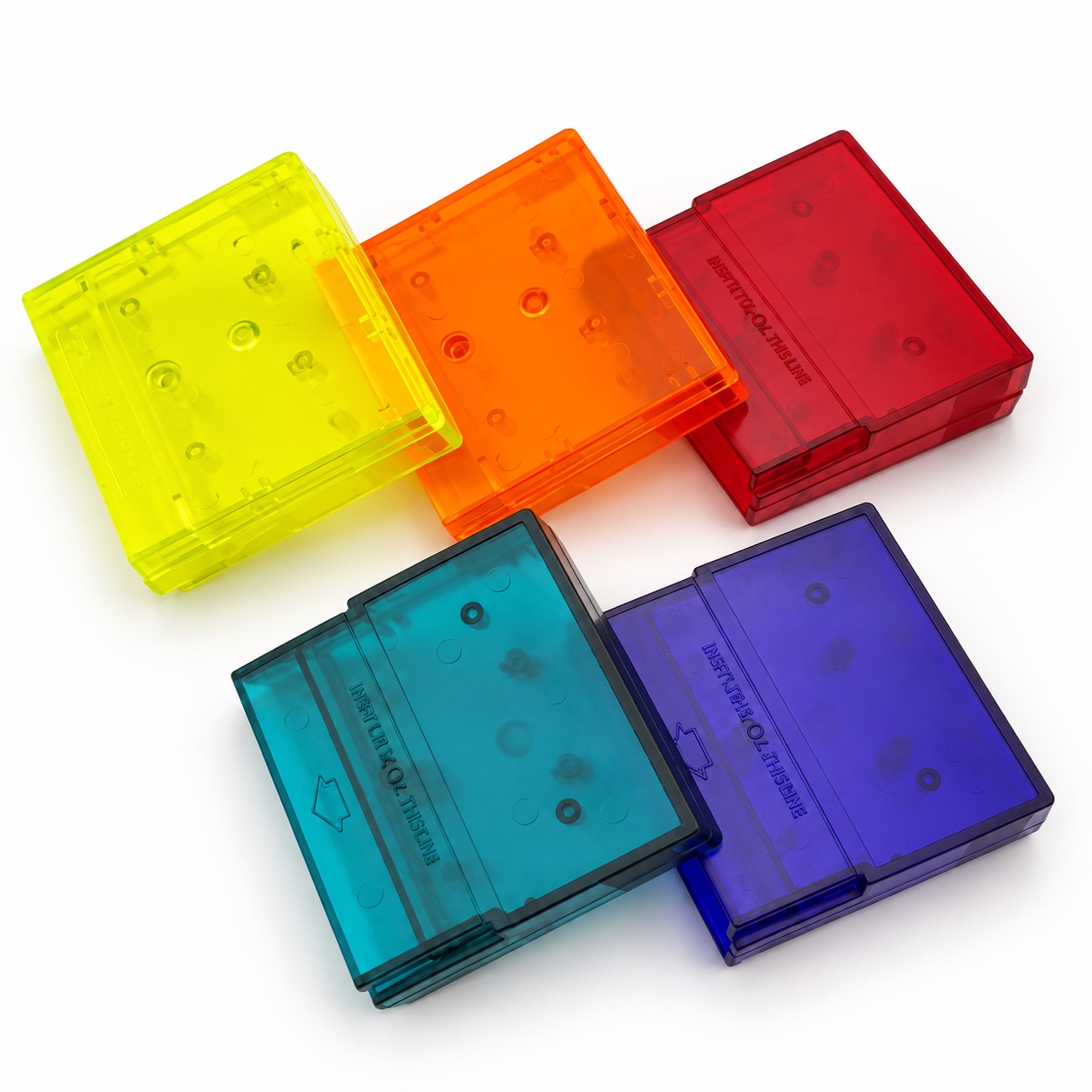
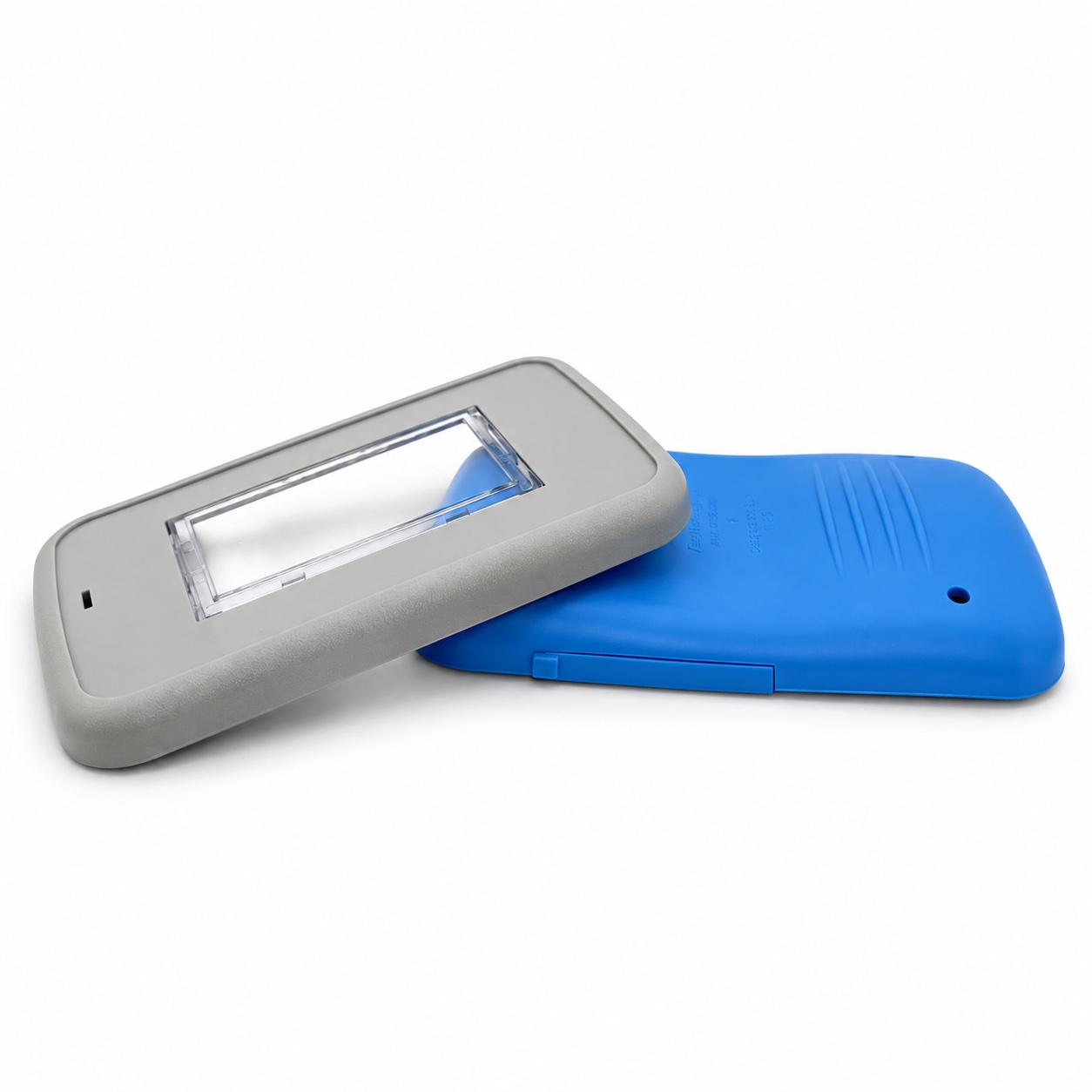
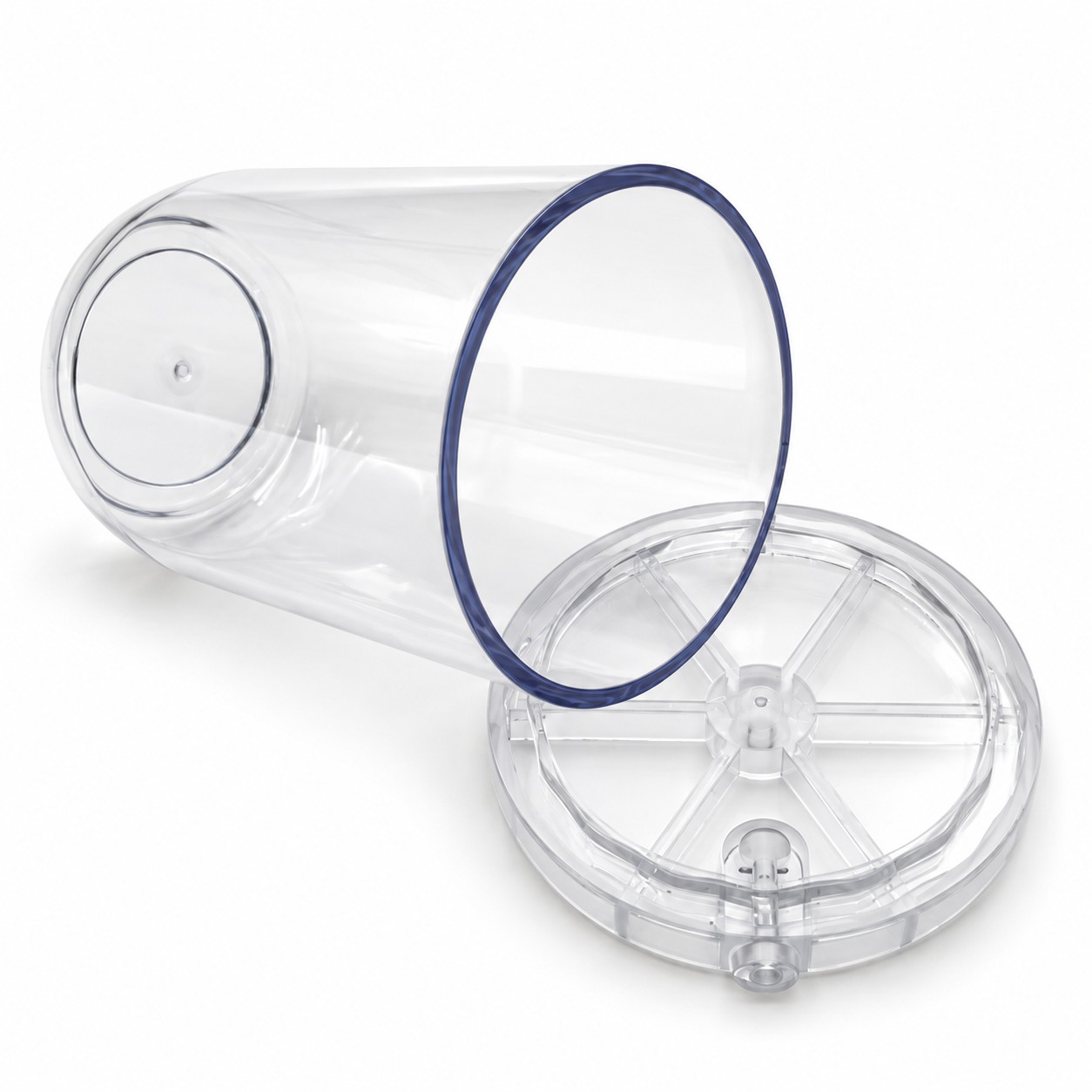
We coordinate injection molding for plastic housings and functional components, reviewing materials and production requirements for your application.
- Typical parts & features
- Housings and functional parts with features such as screw bosses, ribs, mating covers and molded-in metal inserts.
- Materials
- Common materials include ABS, PC, PC/ABS, Nylon (PA) and PMMA. Other materials are reviewed on request.
- Engineering review
- Review of part geometry, material selection, assembly fit, dimensional tolerances and appearance requirements.
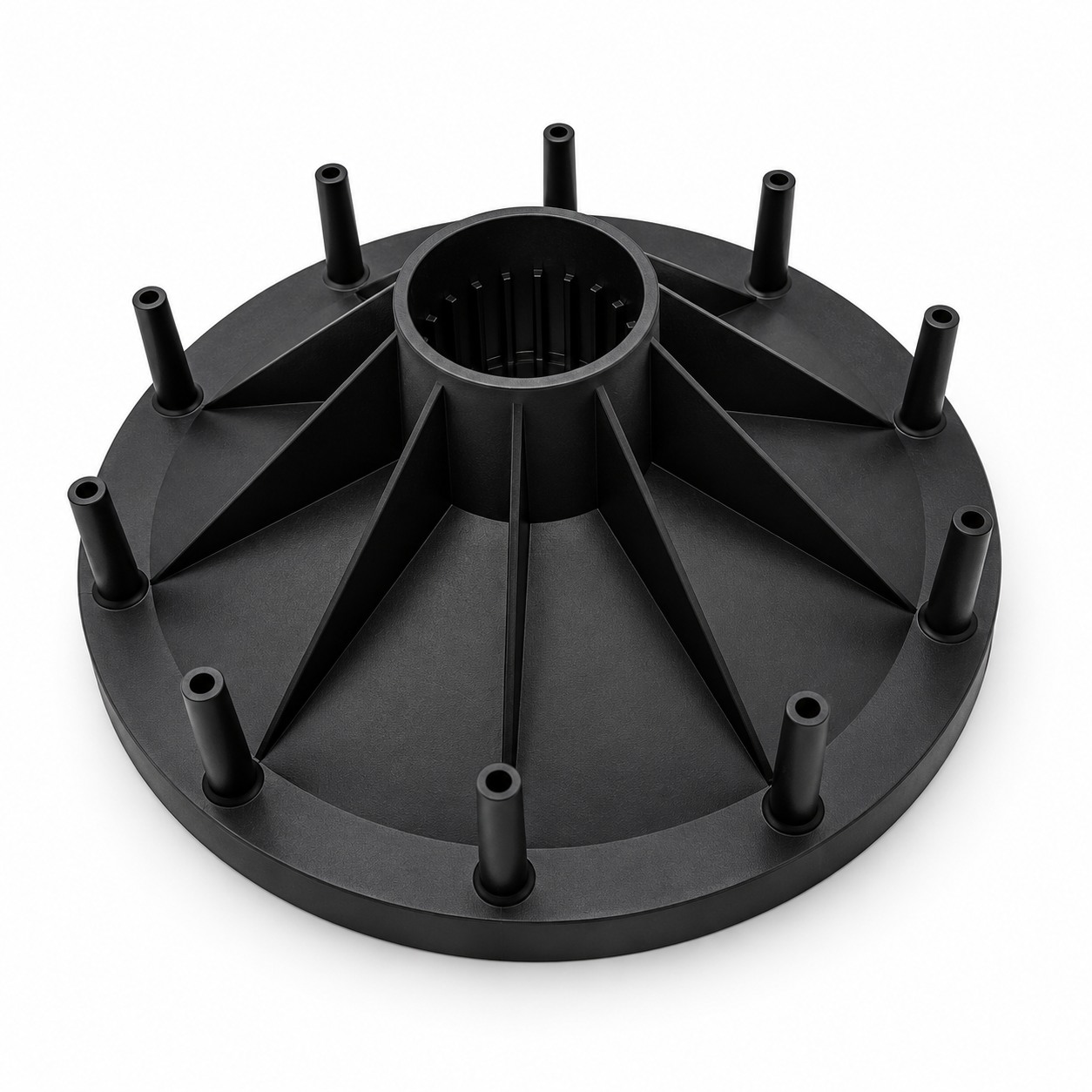
View technical details — Plastic injection molding
Project experience
Our projects include housings for teaching equipment, handheld tools and electric-fence battery boxes, as well as small functional components. Assembly fit and structural strength are recurring priorities.
Design assessment
We review wall thickness, bosses and ribs, draft angles, mating features, surface textures and other drawing requirements. Mold-flow analysis is arranged where appropriate.
Discuss your requirements
Share your drawings, intended use and expected quantities so we can assess a suitable material, tooling and production approach.
02 / Tooling for Production
Injection tooling
Our team works with tooling suppliers to plan injection molds around your part design, material requirements and expected production demand.
- Tooling scope
- Injection molds with features such as slides, lifters, interchangeable inserts and metal insert molding.
- Tool planning
- Mold steel, cavity layout and tool construction reviewed against part requirements and annual demand.
- Timing & ownership
- Customer-owned molds, with trial schedules and ongoing care agreed during project planning.
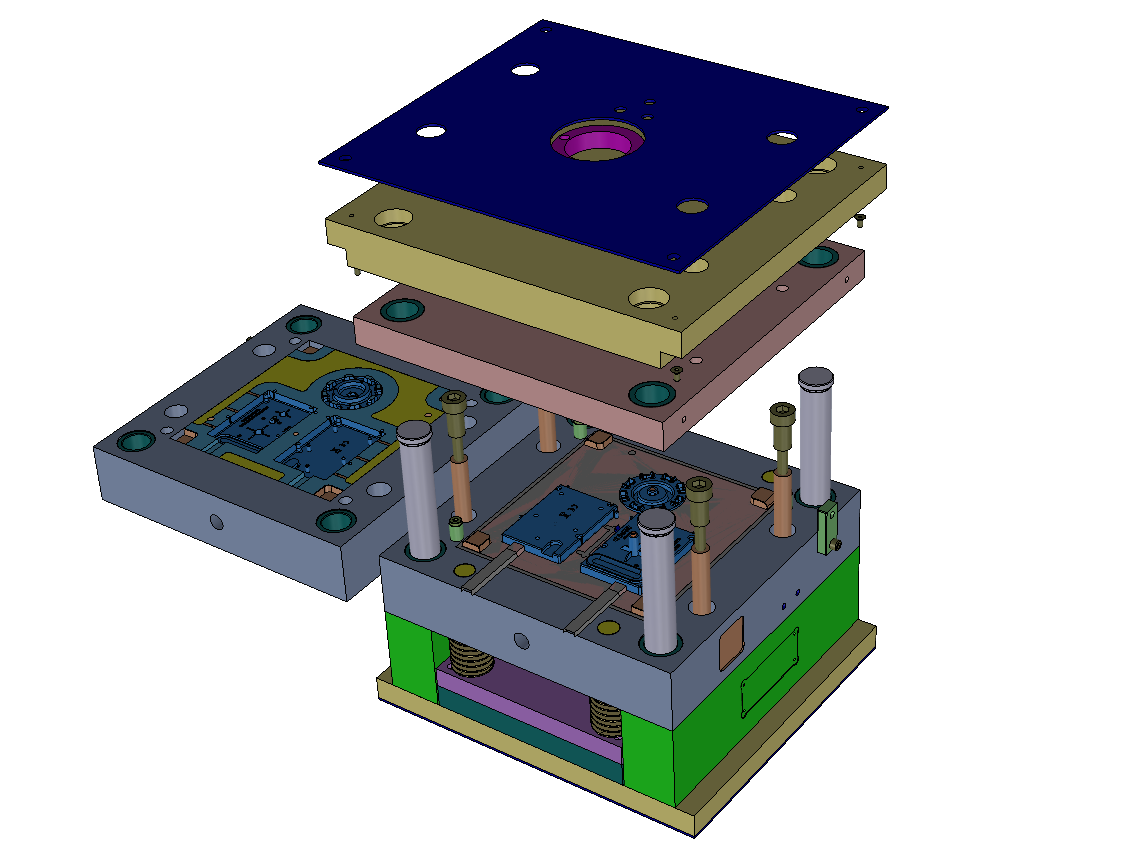
View technical details — Injection tooling
Project experience
Our experience includes two- and three-plate molds, commonly with one or two cavities. We have also handled an eight-cavity mold for a part approximately 20 mm in size. Metal insert molding, including brass threaded inserts, is a frequent application. These examples describe past projects rather than limits on mold configuration.
Tooling assessment
Common mold steels include P20 and NAK80, with NAK80 often selected in our projects for higher appearance requirements. Cavity count is assessed against expected annual demand. Tooling specifications, ejector-pin locations and expected marks are confirmed with the customer before mold construction.
Schedule & care
The first mold trial (T1) typically takes place within 45–60 working days after receipt of the initial payment and confirmation of drawings and tooling specifications. Availability of specified molding materials may affect this schedule. Customer-owned molds are stored at the molding supplier. Storage and routine maintenance are generally provided at no additional charge; unusual damage and mold transfer arrangements are discussed separately.
Discuss your requirements
Share your part drawings, molding material, expected quantities and target schedule so we can review a suitable tooling approach. Two-shot and overmolding projects require a separate review of the proposed tool and production arrangement.
03 / Machined Metal Components
CNC machining
Actech brings metal machining and aluminum extrusion together, covering extrusion tooling, component production and surface finishing.
- Typical components & features
- Housings, rail components and machined parts with holes, threads and mating features.
- Materials & machining
- Common materials include 6061-T6 aluminum, 316 stainless steel and 6063 extrusions.
- Dimensions & fit
- Drawing-based review of dimensions and fit, with tolerance advice when mating parts are available.
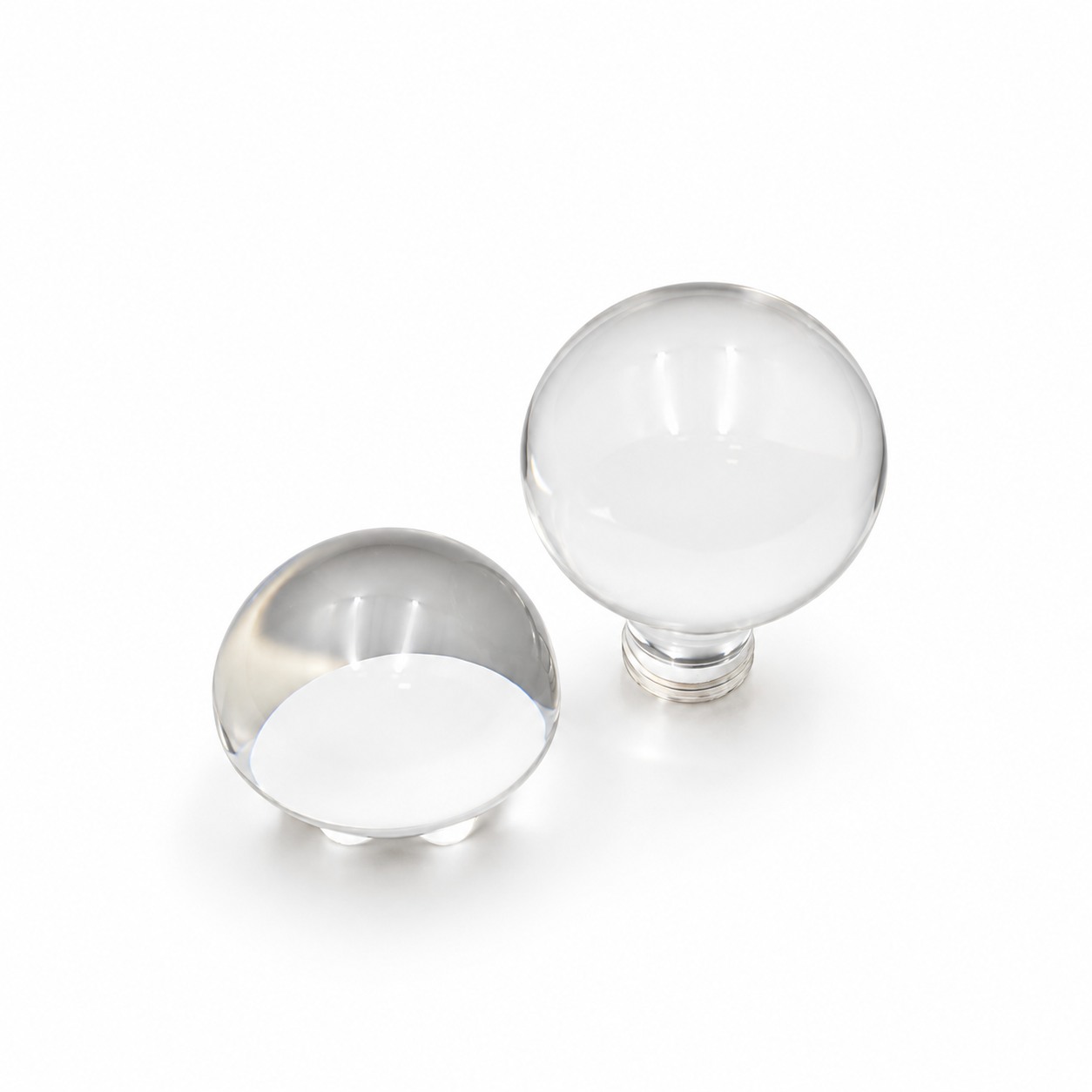
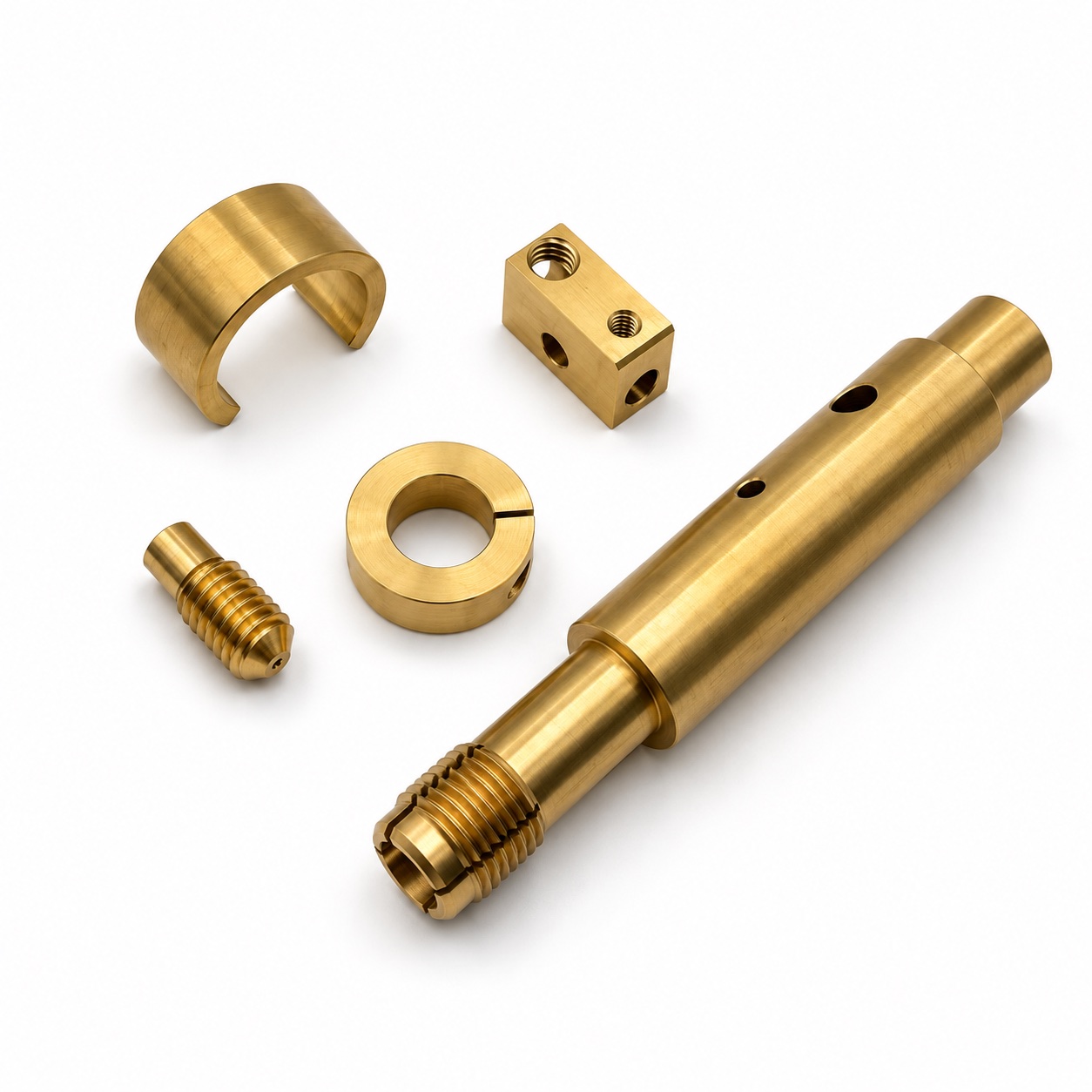
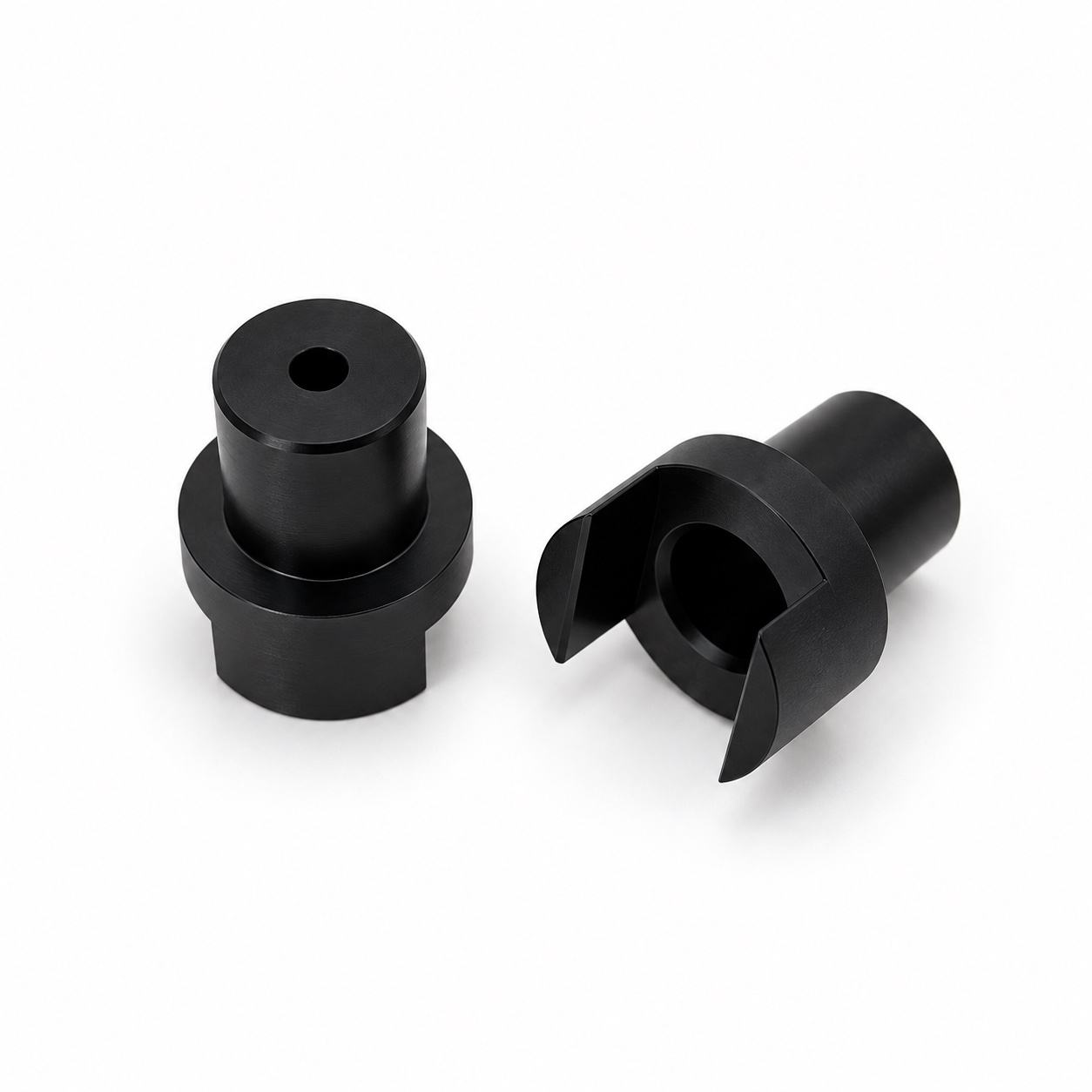
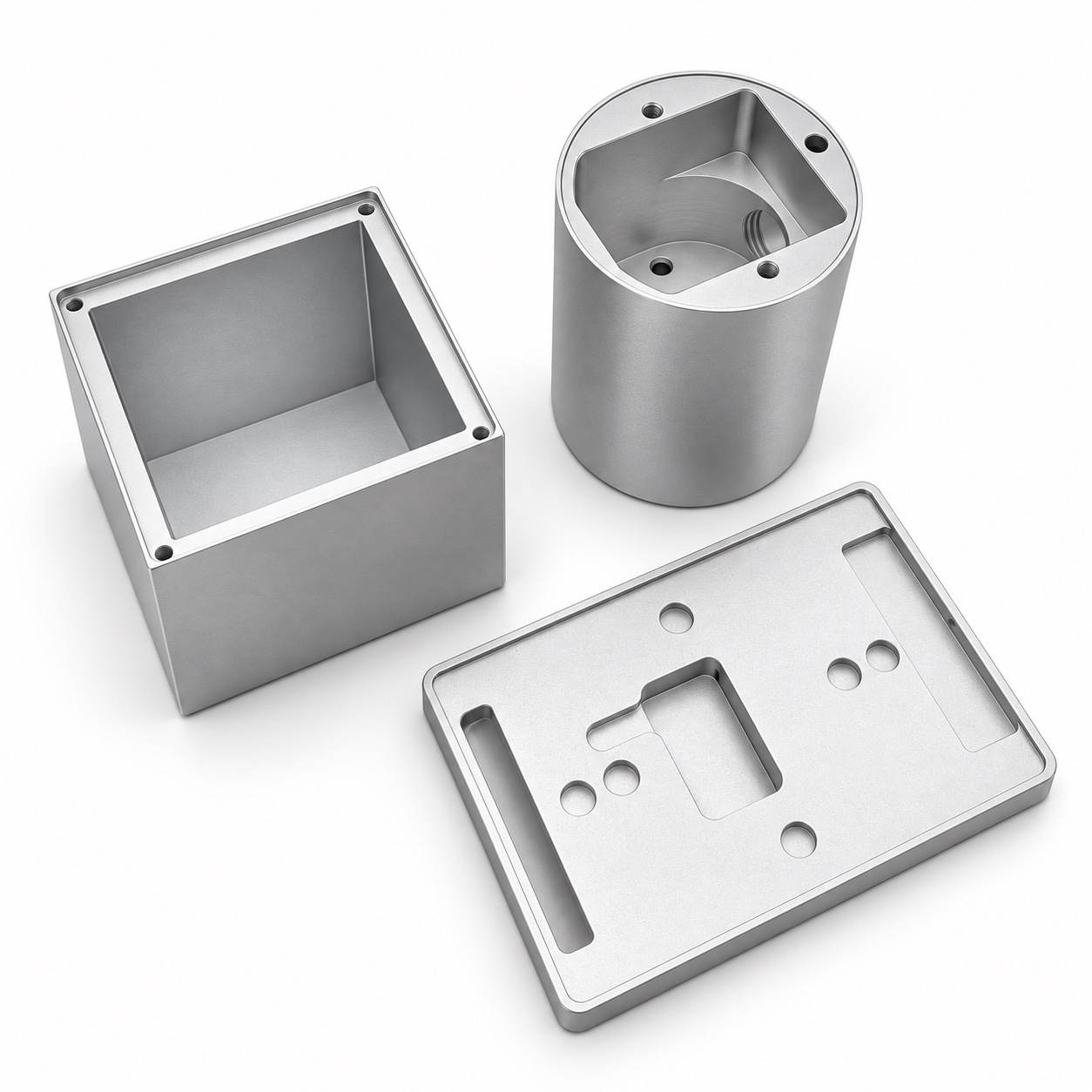
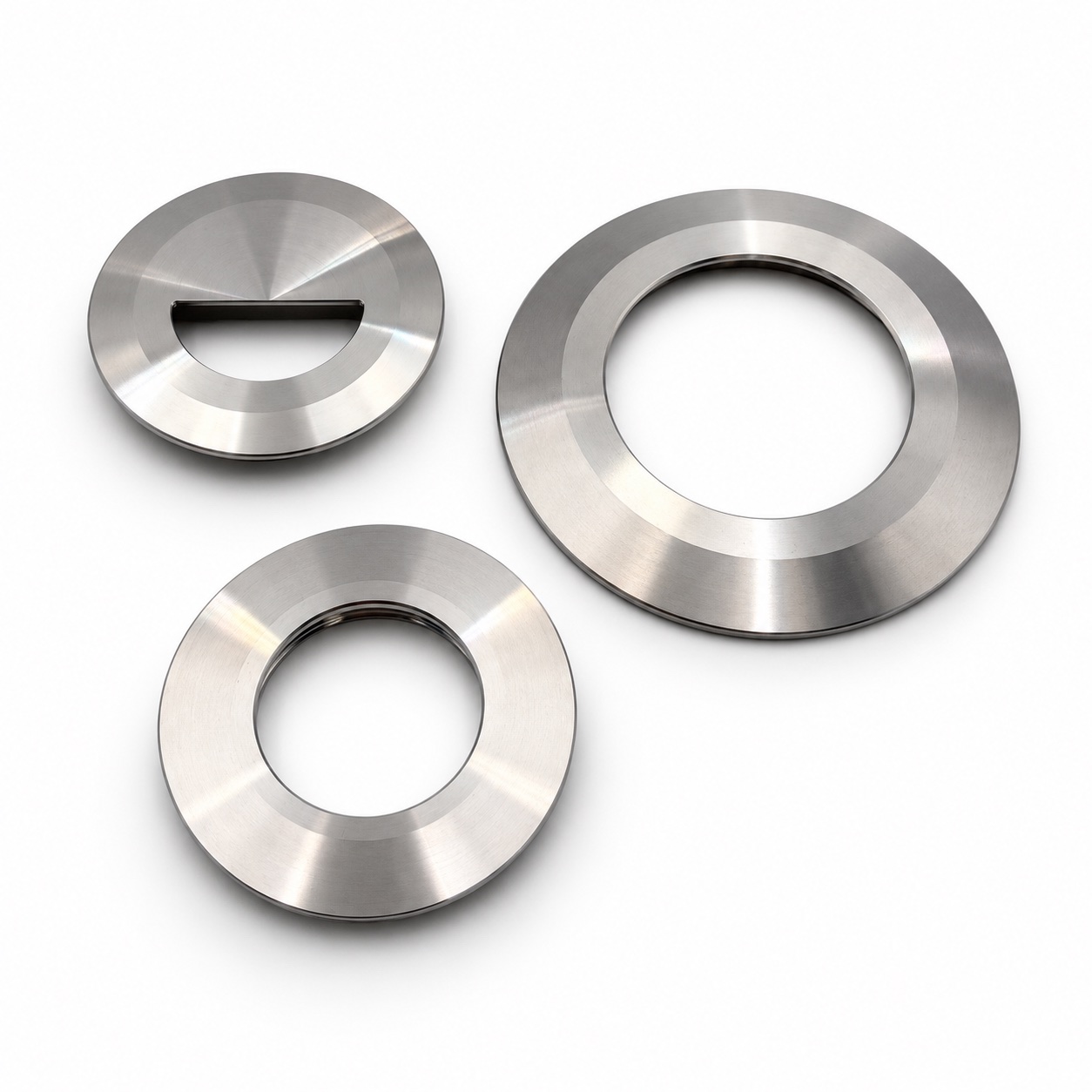
View technical details — CNC machining & aluminum extrusion
Project experience
Examples include cylindrical LED housings approximately 100 mm in diameter and 100 mm high, aluminum rulers 500 mm or 1,000 mm long, and other extruded components around 150 mm long. These are past project dimensions, not machining limits. LED housings emphasize appearance and finish consistency; rulers and rails emphasize dimensions and flatness.
Machining & finishing
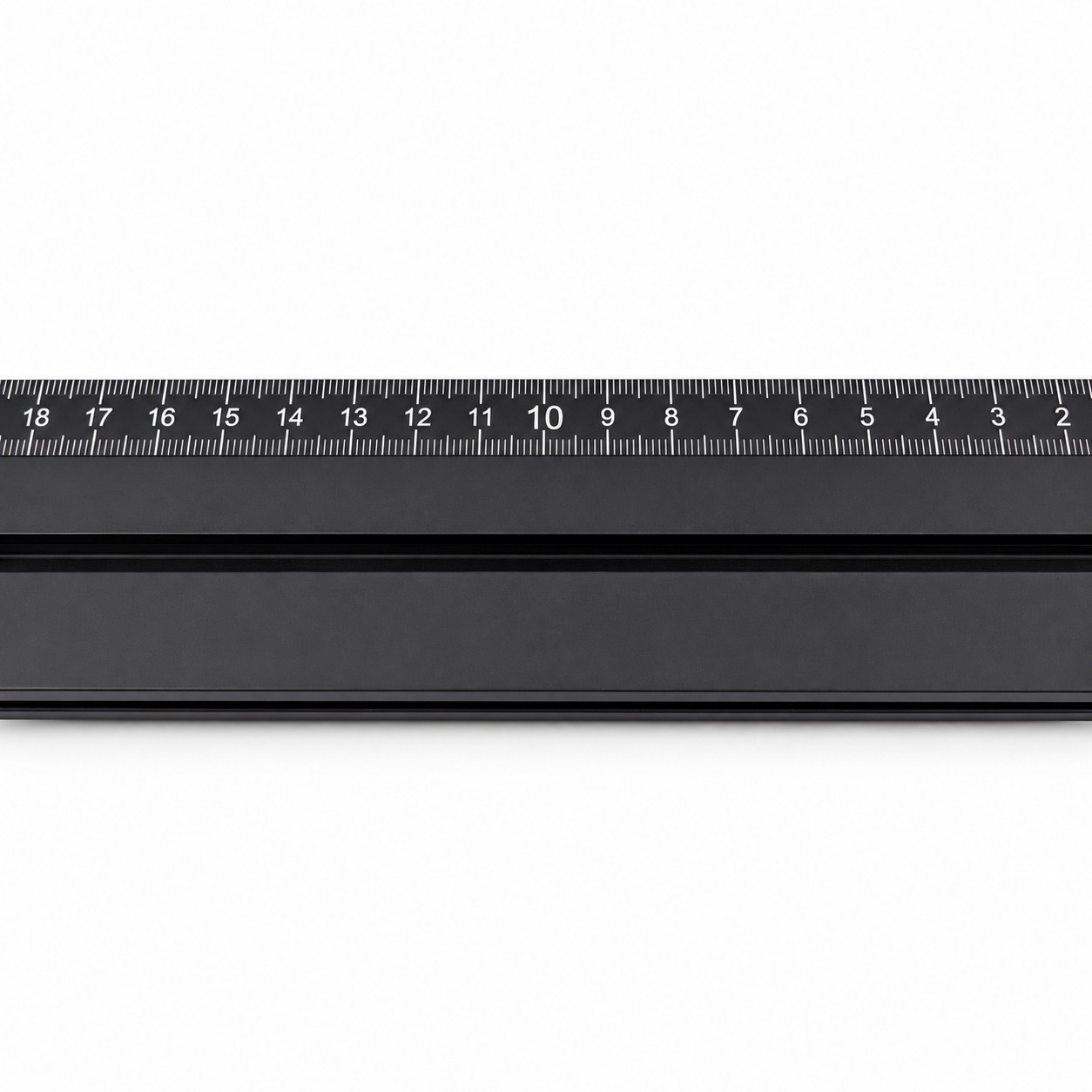
Common operations include turning, milling, drilling, tapping and cutting to length. Aluminum extrusion projects can include tooling, extrusion production, secondary machining and surface finishing. Scale markings are applied by laser marking or screen printing.
Dimensional requirements
Customer drawings and specifications form the basis of our review. When mating components are available, we can assess fit and suggest tolerances for customer approval. Material grades, geometry and critical requirements are reviewed for each project.
Discuss your requirements
Share your drawings, material specification, quantities and critical dimensions so we can assess a suitable manufacturing approach. Include any mating components, flatness requirements and finish expectations relevant to the application.
04 / Appearance & Protection
Surface finishing
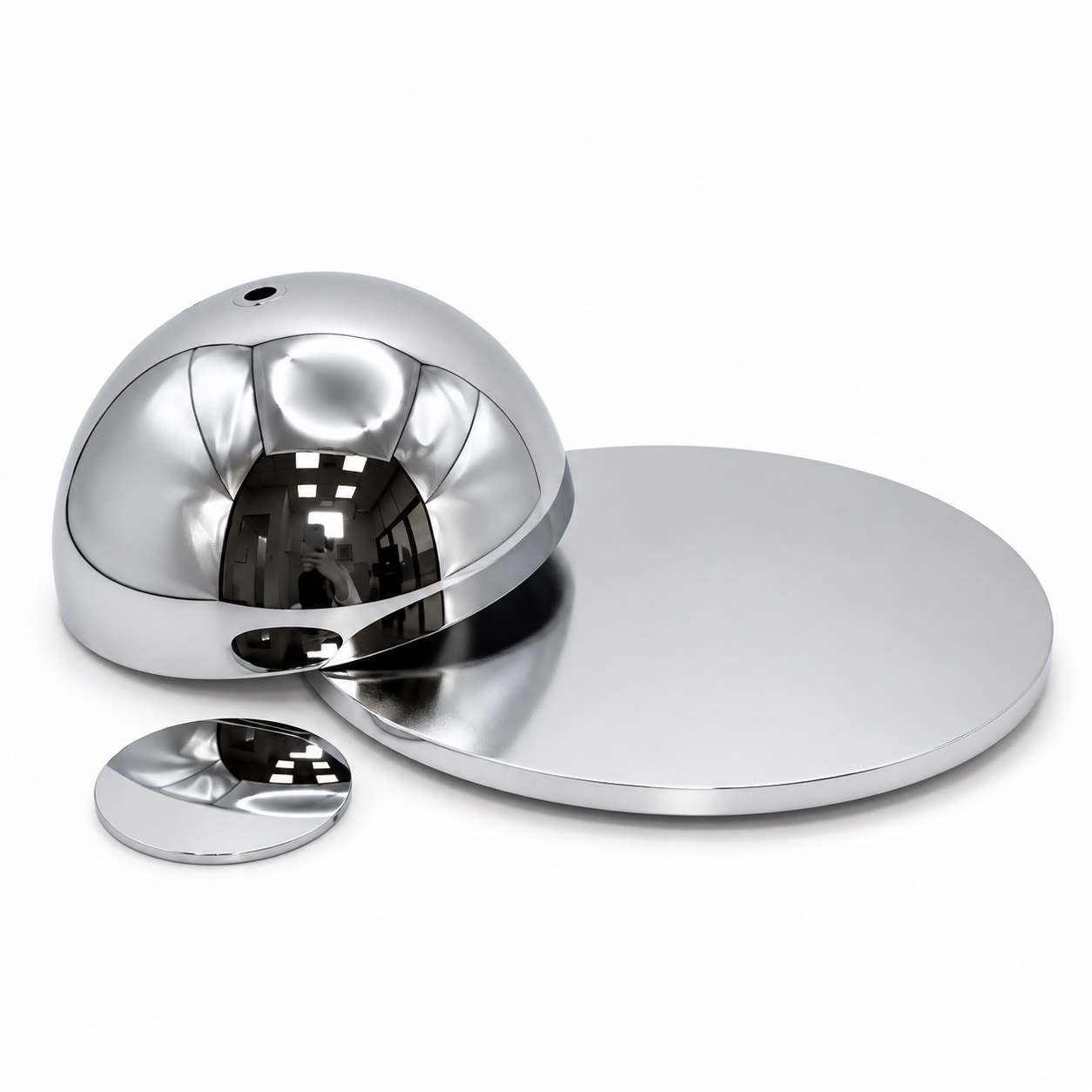
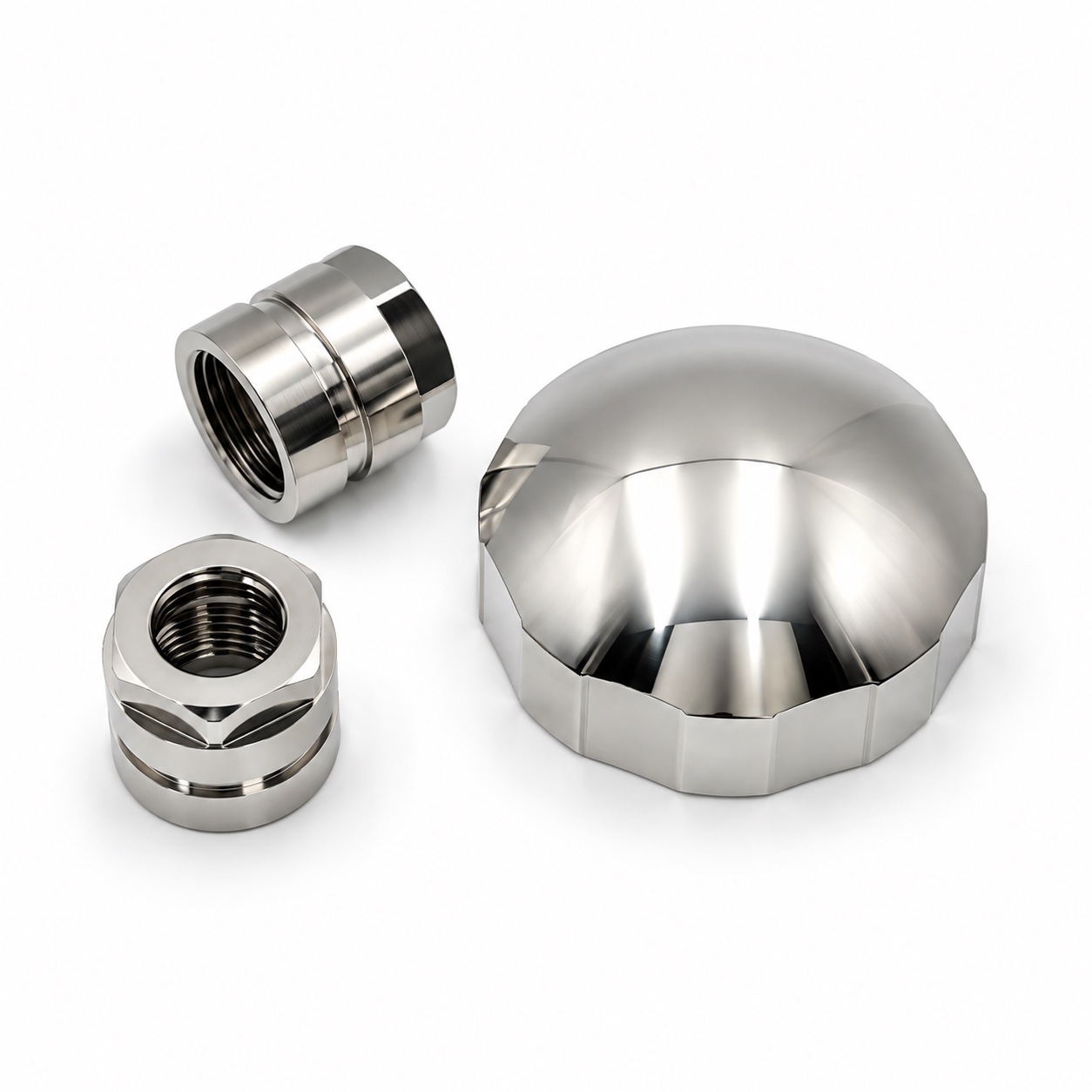
We arrange surface finishing for metal and plastic components, matching the process to the material, appearance requirements and intended use.
- Processes & substrates
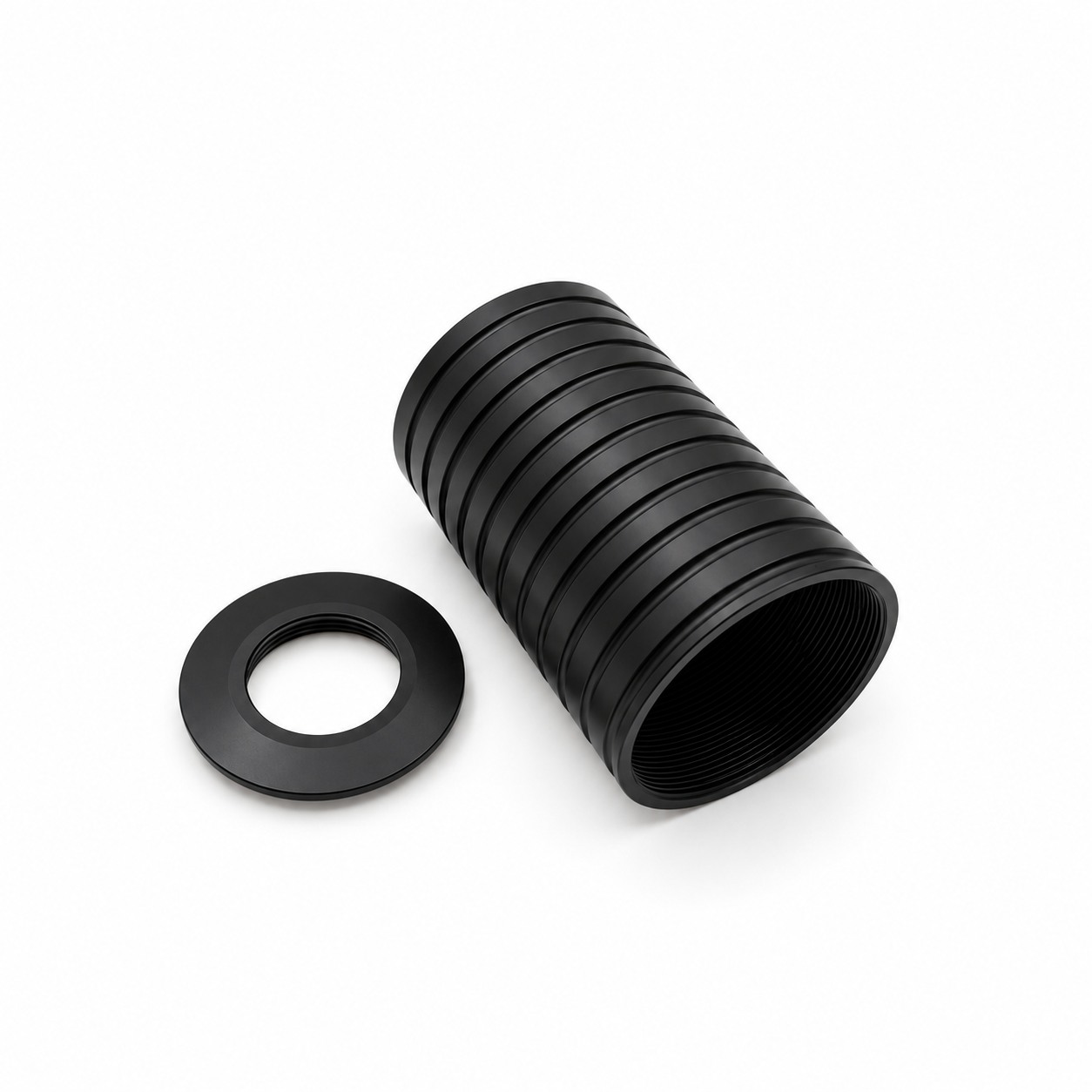
- Options include blasting, anodizing, passivation, ABS chrome plating, printing and laser marking.
- Appearance acceptance
- Customer-approved reference samples establish the acceptable appearance range.
- Checks & testing
- Print adhesion checks, with supplier coating-thickness and corrosion testing arranged on request.
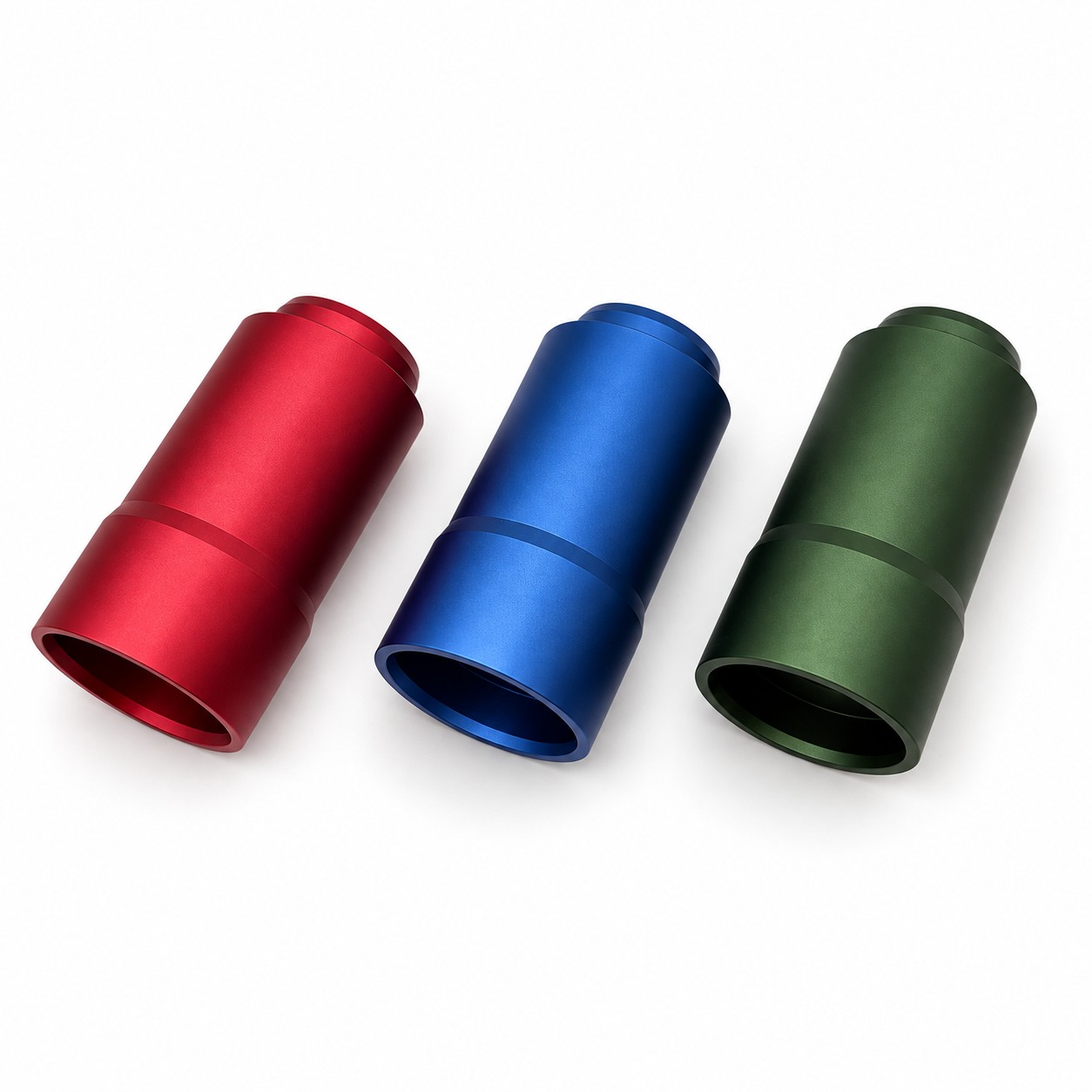
View technical details — Surface finishing
Materials & processes
Our experience includes aluminum abrasive blasting and natural, black or commonly requested anodized colors; stainless steel passivation; metal laser marking; plastic pad and screen printing; and bright chrome plating on ABS. Aluminum rulers also use screen-printed scales. Powder coating and painting can be discussed as part of the project requirements.
Visual reference samples
We ask customers to provide samples defining the upper and lower appearance limits. If unavailable, samples are selected during subsequent production and submitted for customer approval. Uncertain cases are referred to the customer for sample confirmation.
Inspection scope
Actech checks printed markings by applying and removing tape to observe any lifting or removal. Coating-thickness and corrosion-resistance testing are arranged through suppliers when requested. Basic test data can be provided; formal test reports are not included.
Discuss your requirements
Share the substrate, finish, color and appearance requirements, together with reference samples where available. Specify any coating-thickness, color-matching or corrosion-resistance requirements so we can review the proposed finish and inspection scope.
05 / From Components to Finished Product
Assembly & PCBA integration
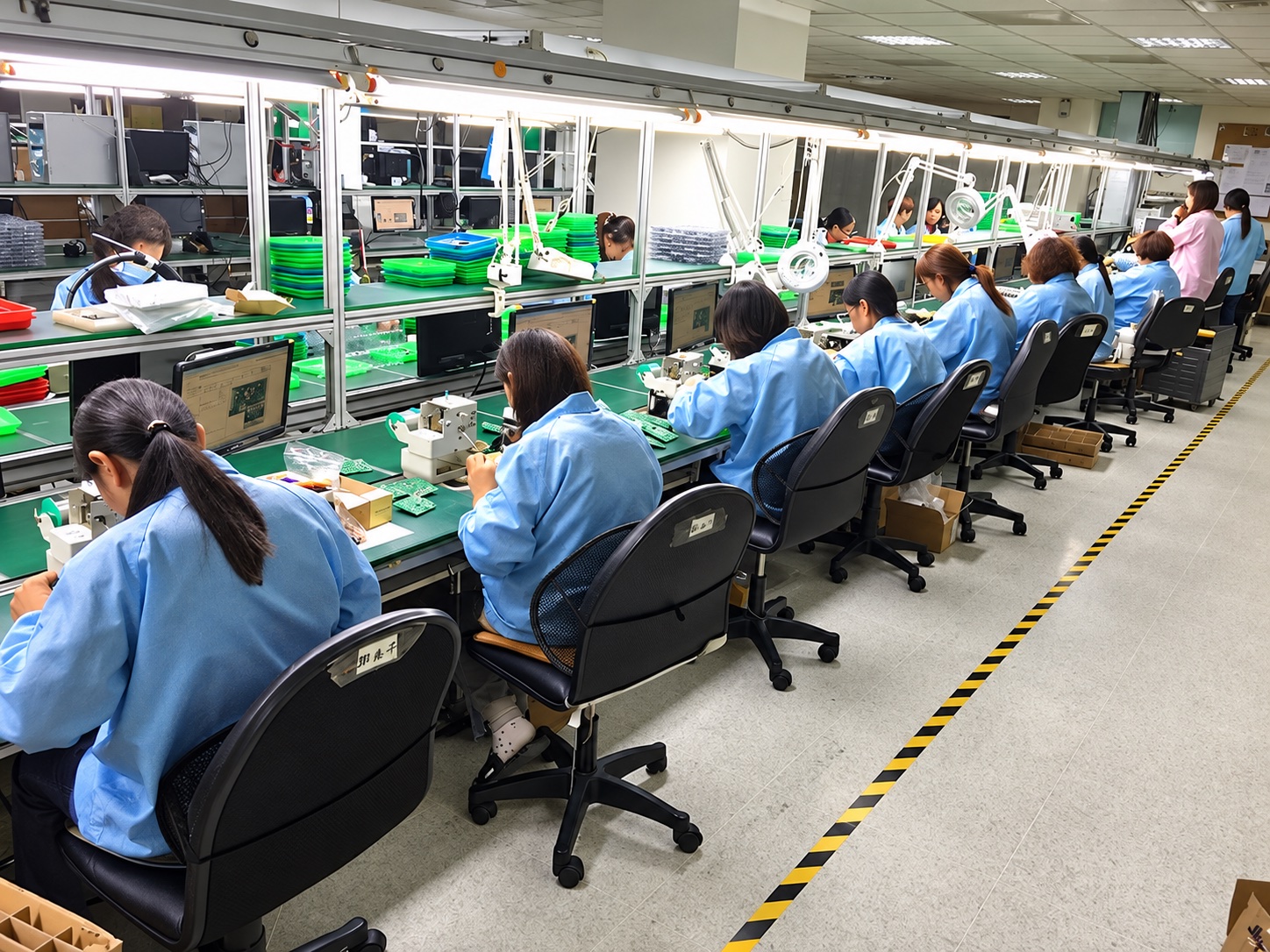
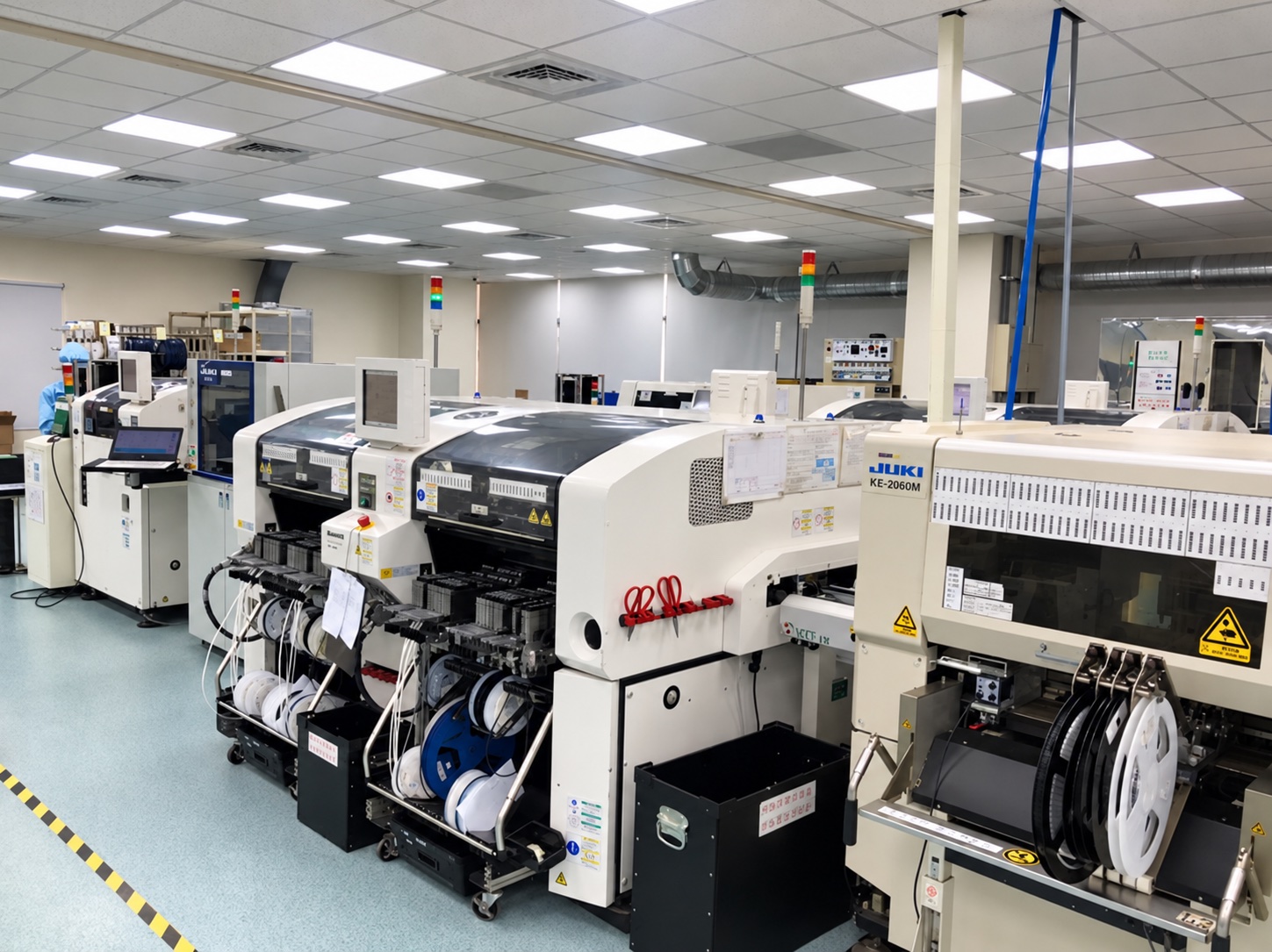
Our team manages component sourcing, assembly, testing and packing through suppliers to help turn your mechanical and electronic designs into finished products.
- Integration scope
- Plastic components, PCBA and hardware brought together through assembly and shipment packing.
- Customer inputs
- BOM and production data, plus firmware files and functional test procedures where required.
- Testing & packing
- Documented supplier instructions, followed by Actech checks of finished-product samples.
View technical details — Assembly & PCBA integration
Production responsibilities
Actech coordinates component sourcing and documents assembly, testing and packing requirements for suppliers to follow. The scope can include mechanical and electronic assembly, individual boxing and carton packing. Operations and deliverables are agreed for each project.
Firmware & electronic testing
Firmware programming is arranged with subcontractors using customer-supplied files. Electronic functional testing is performed by the assembly supplier using customer-provided software and procedures. Circuit design and modification are not part of our current service scope.
Test scope
Without a specified test procedure, checks cover appearance and basic function for non-PCBA items, and continuity for PCBAs. Customer-specified tests are added to the agreed scope. Actech samples finished products before shipment to check function, appearance and packing.
Discuss your requirements
Share your BOM, assembly information, intended use and testing and packing requirements so we can define the integration scope. Waterproof sealing or controlled assembly environments require a separate feasibility review before commitment.
Let’s review your project
Send your drawings.
Let’s talk manufacturing.
Tell us what you’re developing and where you need support. We’ll review your requirements and discuss the next steps.
5F-5, No. 351, YangGuang St., Taipei 11491, Taiwan+886 (2) 8797 6901info@actech-inc.com